
![]() |
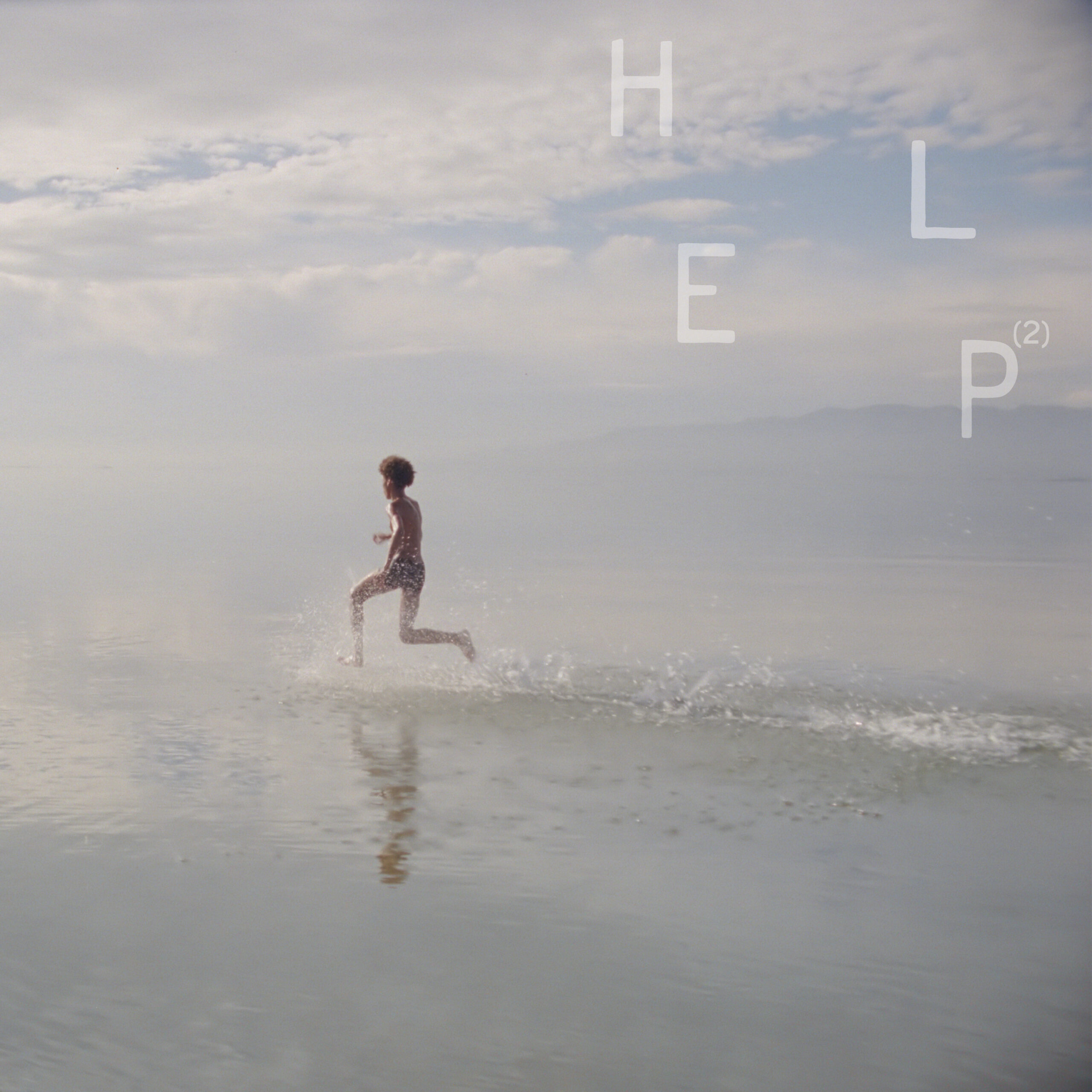
| THE CULT BIOGRAPHIES Part 1 (General) Part 2 (Death Cult) Part 3 (Dreamtime) Part 4 (Love) Part 5 (Peace) Part 6 (Electric) Live At The Lyceum Originally scheduled for an autumn 1986 release, Peace was conceived as the record that would nudge the Cult into the rock mainstream. Instead, it became the 'great lost album' that nearly sunk them. True, it wasn't a tragedy played out on as grand a scale as, say, the Who's abandoned Lifehouse project or the Beatles' Get Back. Yet its non-appearance cost the band a lot of money, put a strain on the already fragile relationship between the Cult's creative mainsprings, Billy Duffy and Ian Astbury, and forced the group to re-think their approach to music. Ultimately, though, realising it wasn't the record they wanted to make was the turning point in their career. In retrospect, the problems with Peace were a direct reflection of the band's difficulties in finding a direction they could pursue whole-heartedly. Their interest in classic late '60s rock had finally found expression in the menacing post-punk psychedelia of their previous album, 1985's Love, but this switch in musical tack had caused consternation among some critics. "We got slagged off for it," remembers the band's guitarist, Billy Duffy. "If it wasn't for the Alarm, I think I'd have killed myself. They were the only band getting worse press than us." Even so, Love had been a huge commercial success, and when Ian, Billy, bassist Jamie Stewart and drummer Les Warner reconvened to work on a new album in the early summer of 1986, they were keen to produce something along similar lines. What was becoming clearer, though, was that the tracks would be more Led Zep than Hendrix, more sophisticated hard rock than psychedelic blues. "At one of the early demo sessions Robert Plant turned up," recalls bassist Jamie Stewart, a permanent fixture in the Cult between 1983 and 1990. "He was rehearsing with his band in the next complex. It was quite a kick in the pants, and we felt encouraged to pursue that style of music." Yet there was little talk of a radical departure into the stripped-down blues rock they eventually made on Electric. After all, the success of Love meant the pressure was on to turn in what Billy refers to as "Love Mark II". "Because we had a big hit, the record company were happy for us to go back in and do the same thing," says Jamie. "It was a big studio, big budget affair." In July 1986, the Cult booked into the Manor in Oxford - the premier residential studio in the U.K. at that time - with Love producer Steve Brown. The idea was to make a harder record than the previous one, while also giving the music a more lustrous gloss. Central to the whole sound was Billy's guitar, which was built up in a series of inter-meshing layers, capped with waspish attacks of lead. Meanwhile, sax players and backing singers were hired to bring a rich texture to the sound. Yet this frenetic activity couldn't obscure the fact that, behind the scenes, the band were becoming polarised as people. Ian in particular was growing ever more distant and difficult to communicate with. Ensconced in his room with his girlfriend, he rarely ventured outside during the hours of daylight, preferring to wait until the early hours of the morning to add his vocal overdubs. "He didn't really know where he was going," explains Jamie. "He did a lot of sitting in his room, redefining Ian a bit. I'm not sure whyäthe press reception of Love hadn't been good. And Ian had taken the brunt of a lot of the criticism. He was having a hard time. There was a lot of dressing up in Nazi gear. It was around then that Billy and Ian stopped relating to one another. They began to evolve into different planets." Billy is more diplomatic: "Ian wasn't ready mentally, or lyrically, to make that record. The rock'n'roll thing was definitely getting to him a bit." While the group quietly fractured into two distinct camps - the level-headed Billy on one side and the mercurial Ian on the other - Steve Brown was left with the task of teasing the record into shape. By day he'd record the guitars, while at night he'd coax Ian into doing vocal takes. Worryingly, Ian had a very few lyrics, but the band and producer pushed ahead. "I thrived on the pressure, actually," says Steve Brown, who maintains that the working title of the album was always 'Electric'. "It was clear that Billy was going for it, and he wasn't going to let Ian stop him." As the summer wore on, an uncomfortable mood began to permeate the Cult camp. For besides the personal friction within the group, there was a growing realisation among all concerned that, musically, Peace was heading up a stylistic cul-de-sac. In short, it was lacking the elemental undercurrent of violence that had previously defined the band's music. This would have been OK had the group been ready to make their own Exile On Main Street or Led Zep IV. But the Cult were still sufficiently in touch with their punk roots to recognise the perils of an overly-slick production. True, on tracks like 'Love Removal Machine' and 'Zap City', the basic arrangements were sufficiently tough to make the songs work, yet elsewhere the blanket of overdubs stifled any spark of vitality. Worse still, many of the songs had grown tiresomely long. Fairly or not, the producer got most of the blame. "Steve Brown didn't know how to interpret where our heads were at," Ian told 'NME' in 1986. "He hadn't grown with the band." Ten years on, Billy agrees: "He used the same approach as before, but we'd changed. It was all too echoey and too confused." Curiously, Jamie points the finger in another direction. "The songs were getting too long and complicated," he says. "But it took longer than it should've to realise it, because of what was happening with Ian." Management and band concurred that it was time for some radical remedial action. Their main thrust involved removing several of the guitar overdubs, and remixing the tracks to make them seem less cluttered. This wasn't easy, since the songs had largely been constructed around Billy's playing. But the remixes were passable, even quite good in places, with Ian's hearty bellowing often compensating for a general lack of musical focus. Yet it was sadly evident that no-one believed in the album. Faintly downcast, Billy and Ian flew to New York in the November to pick up a student award for Best Single Of 1986. It was there they met Def Jam supremo Rick Rubin, the man instrumental in legitimising the rock-rap interface with his work with the Beastie Boys, and Run DMC. Initially, Ian and Billy pressed him to remix 'Love Removal Machine', which had already been substantially re-worked by Clash producer Bill Price. Instead, Rubin suggested they re-record the whole of Peace, with him at the controls. And so it was, on a cold autumn day, the Cult gathered in a New York studio to start their album again from scratch, with gear hired from a local music shop. Within two weeks, most of the backing tracks were down. Horrified that the Manor recordings would be shelved, the band's management flew to New York to hear what their charges had been up to. Immediately they were convinced - Electric, as it was to be titled, sounded so astonishing, so invigorating and vital, that they were prepared to write off the £200,000 studio bill incurred back in England. The work that went into Peace wasn't wasted, of course. Four of the songs that weren't re-recorded by Rubin were later used as B-sides, while five others were collected on the 1988 mid-price Manor Sessions CD. Only two tracks were left to gather dust: versions of 'Aphrodisiac Jacket' and 'Peace Dog'. At one time, it was thought these would never see the light of day, but it seems the day of judgement has finally arrived. Over ten years after it was recorded, Peace has at last been restored in the form originally intended. You'll no doubt agree it's a curiously bombastic record, thick with guitars and instrumentation, yet the flashes of genius that made Electric a worldwide chart-smasher are still there to be seen. Few would argue that the Cult's decision to abandon it was the right one - but it was only by recording an album they didn't like that their future impulse to become a tough blues rock band was crystalised.
Pat Gilbert, Record Collector magazine - London, 1996 |
|
| top | |